PCOD-Friendly Snacks: Low-GI Bites That Keep Hormones Happy
If you live with PCOD, you already know the drill: eat well at meals, then get ambushed by a 4 pm crash that sends you straight to the biscuit tin. That mid-afternoon dip is not a willpower failure. For many women with PCOD, it is insulin resistance quietly steering the wheel, and the wrong snack only makes the next few hours harder.
Snacking itself is not the problem. The right snack can steady blood sugar, soften cravings and keep energy level between meals, which is exactly what a PCOD-friendly routine needs. This guide covers what makes a snack PCOD-friendly, the low-GI bites worth keeping close, and how Halesnax builds its seed and millet snacks around these same principles.
- What makes a snack PCOD-friendly
- The PCOD snack formula
- Eight PCOD-friendly snacks to keep close
- Seeds and the PCOD connection
- Snacks to go easy on
- Timing and portions for steady energy
- A simple day of PCOD snacking
What makes a snack PCOD-friendly
PCOD often comes with insulin resistance, where the body has to work harder to manage blood sugar. Snacks that spike sugar quickly make that job harder, so the goal is slow, steady energy rather than sharp peaks and crashes. Three things get you there: a low glycaemic index (GI), meaning the carbohydrate digests slowly; enough fibre and protein to blunt the sugar response; and healthy fats that keep you full. The American College of Obstetricians and Gynecologists notes that diet and lifestyle changes are a first step in managing PCOS, and a low-GI eating pattern is one of the most studied. In practice: whole grains over maida, seeds and nuts over sugary mixtures, and real ingredients over long labels.
The PCOD snack formula
Before the list, hold on to one formula. A PCOD-friendly snack pairs a slow carbohydrate with protein or a healthy fat, in a portion you decide in advance. A handful of roasted chana, a seed laddoo, a millet cookie with a few nuts: each carries fibre, protein or good fat rather than a fast rush of sugar. Get the pairing right and the 4 pm crash loses most of its power.
Eight PCOD-friendly snacks to keep close
- Roasted chana: low-GI, high in protein and fibre, and endlessly snackable.
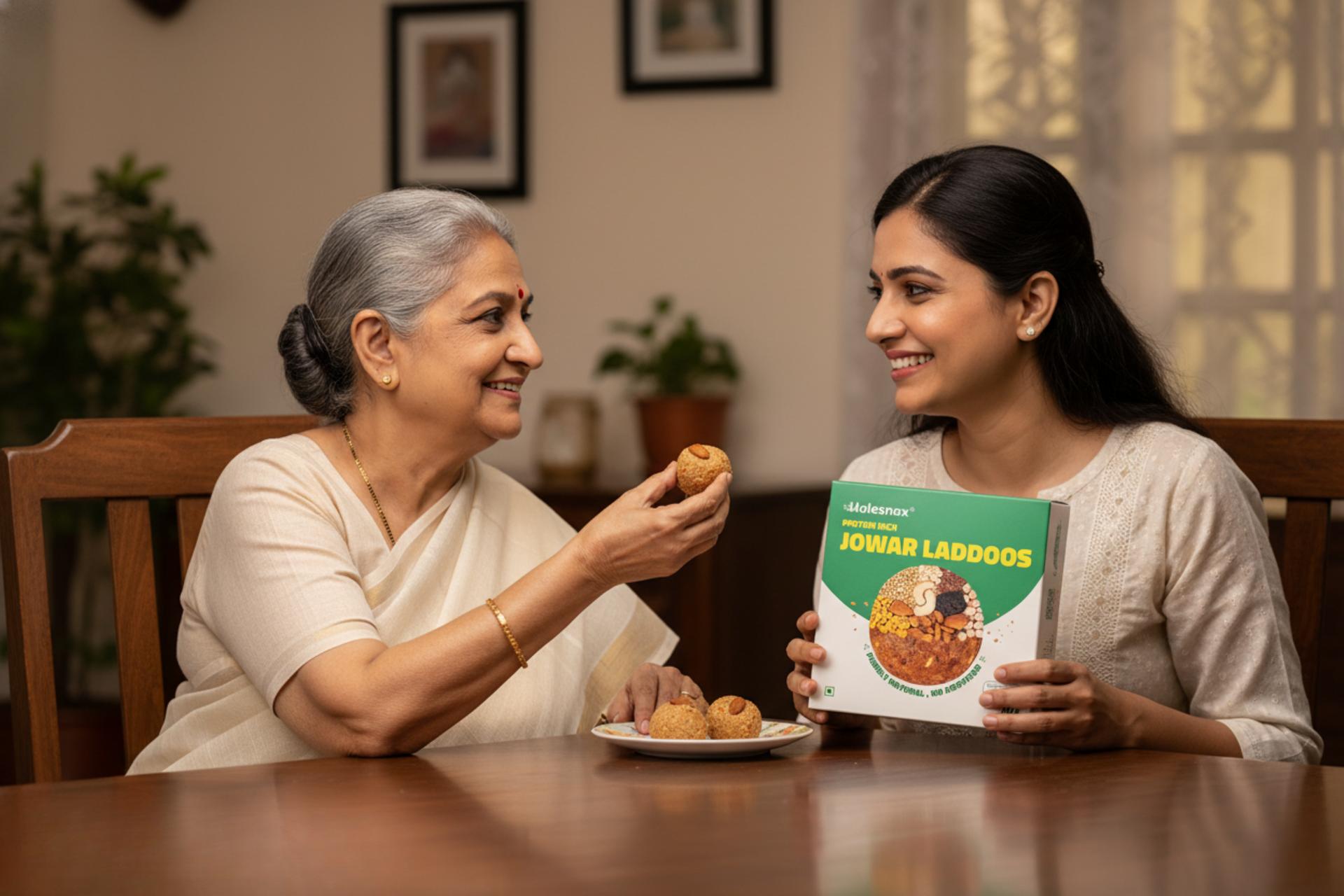
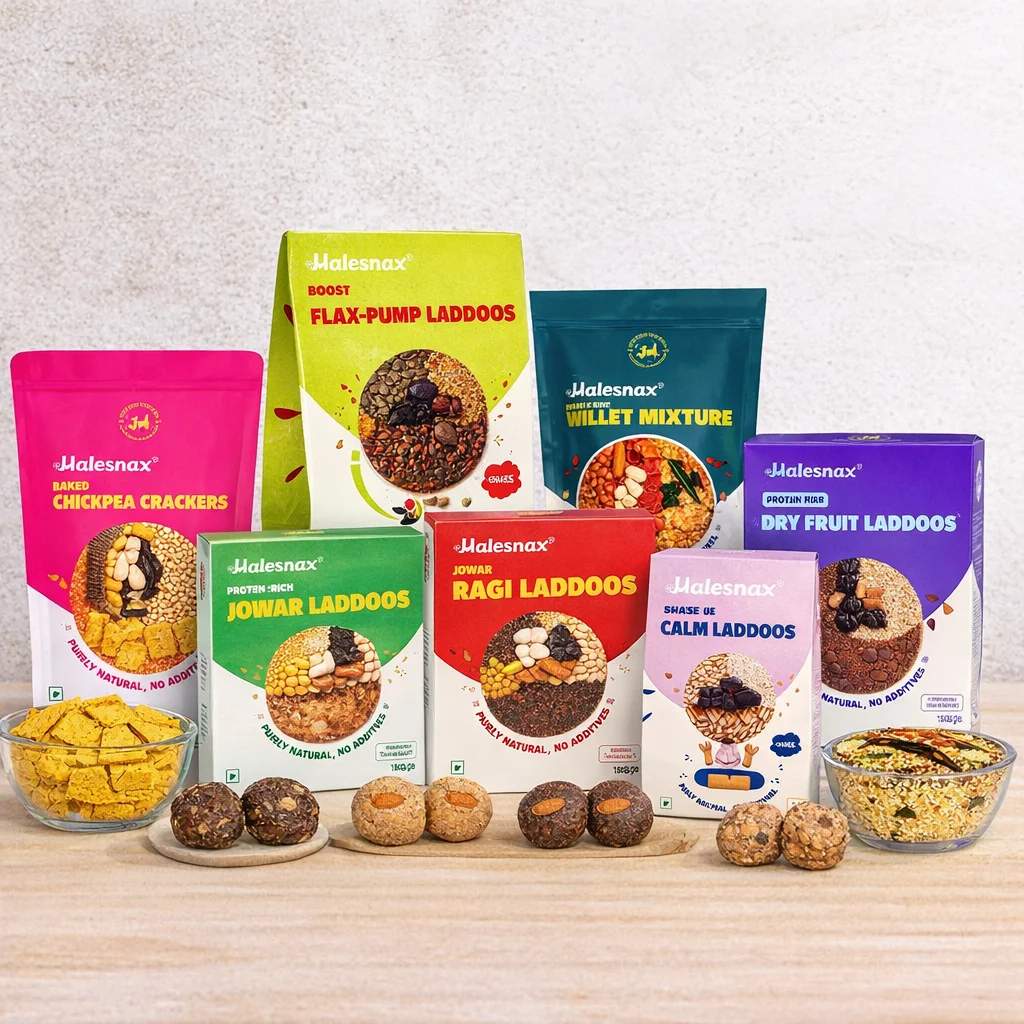
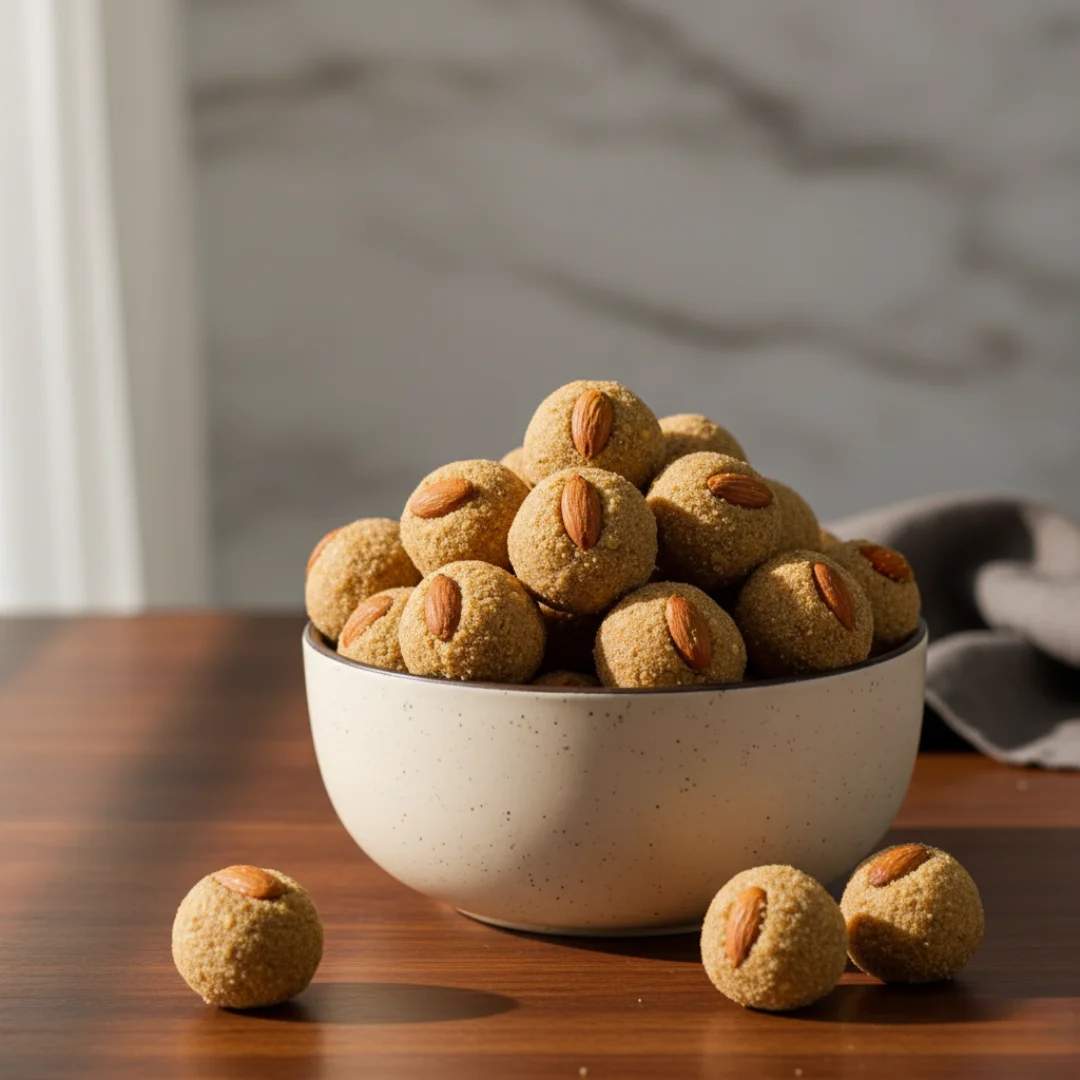
- Seed laddoos (flax, pumpkin, sunflower, sesame): fibre, protein and good fats in one portion-controlled bite, a real favourite in PCOD routines.
- A small handful of nuts: almonds and walnuts steady hunger for hours.
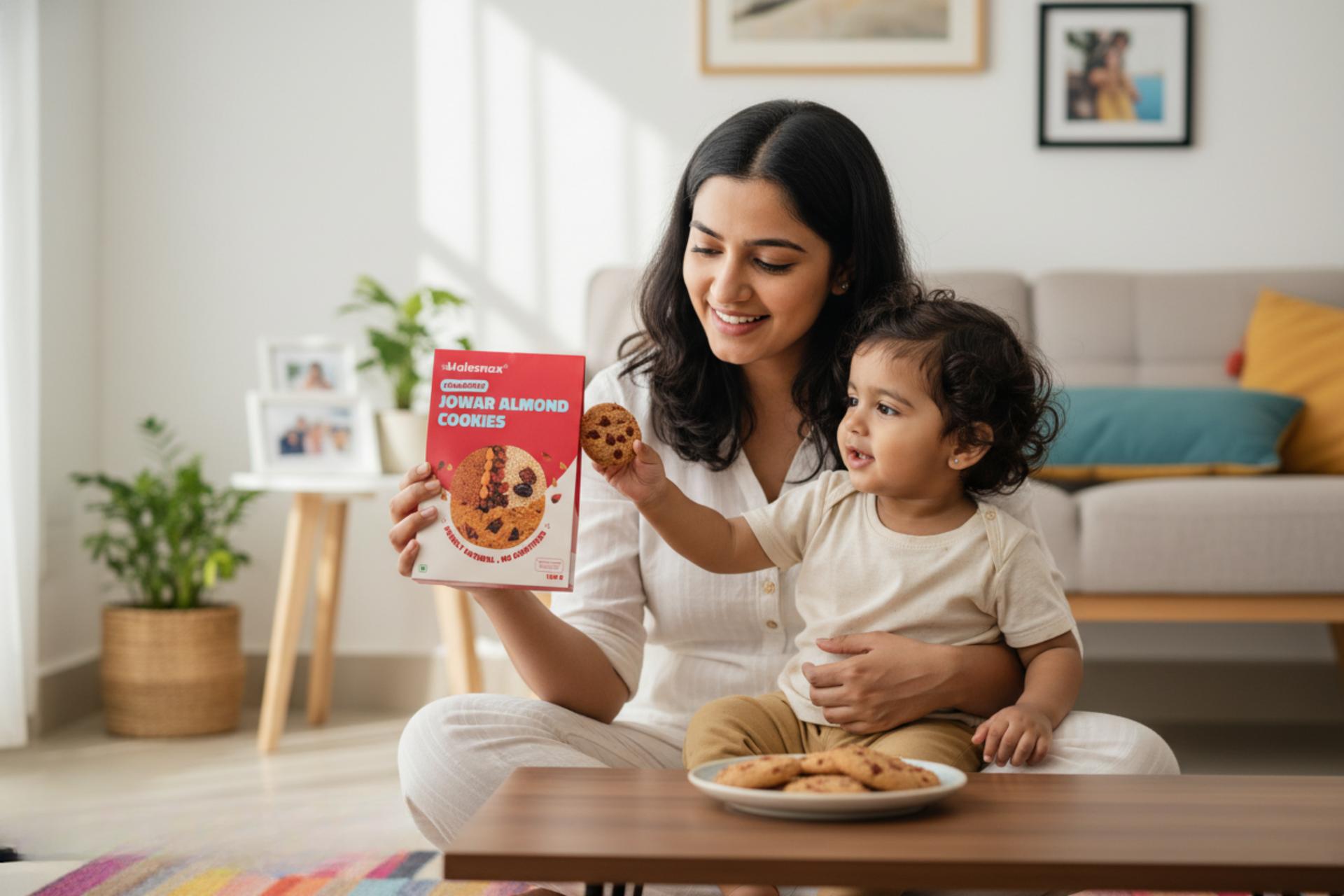
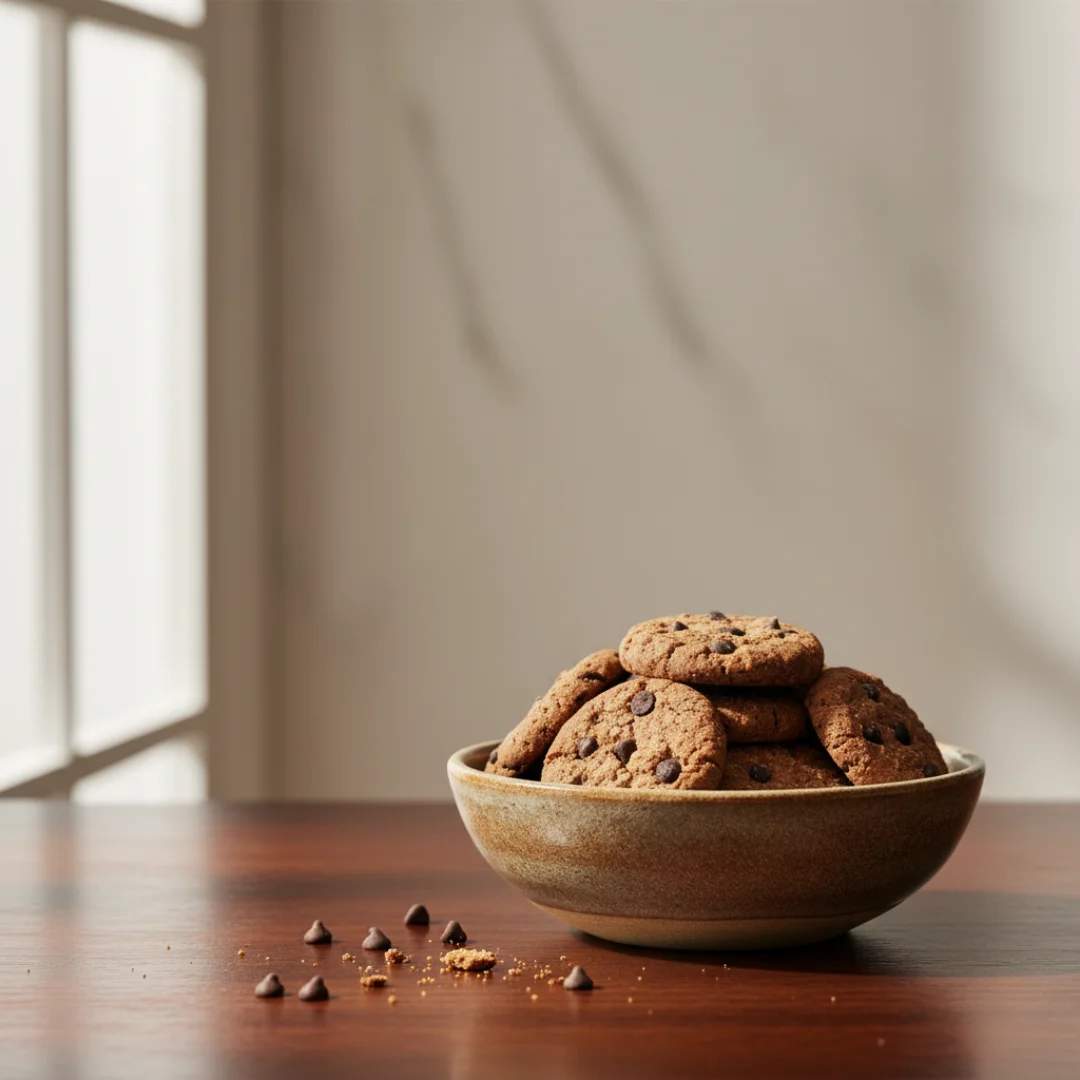
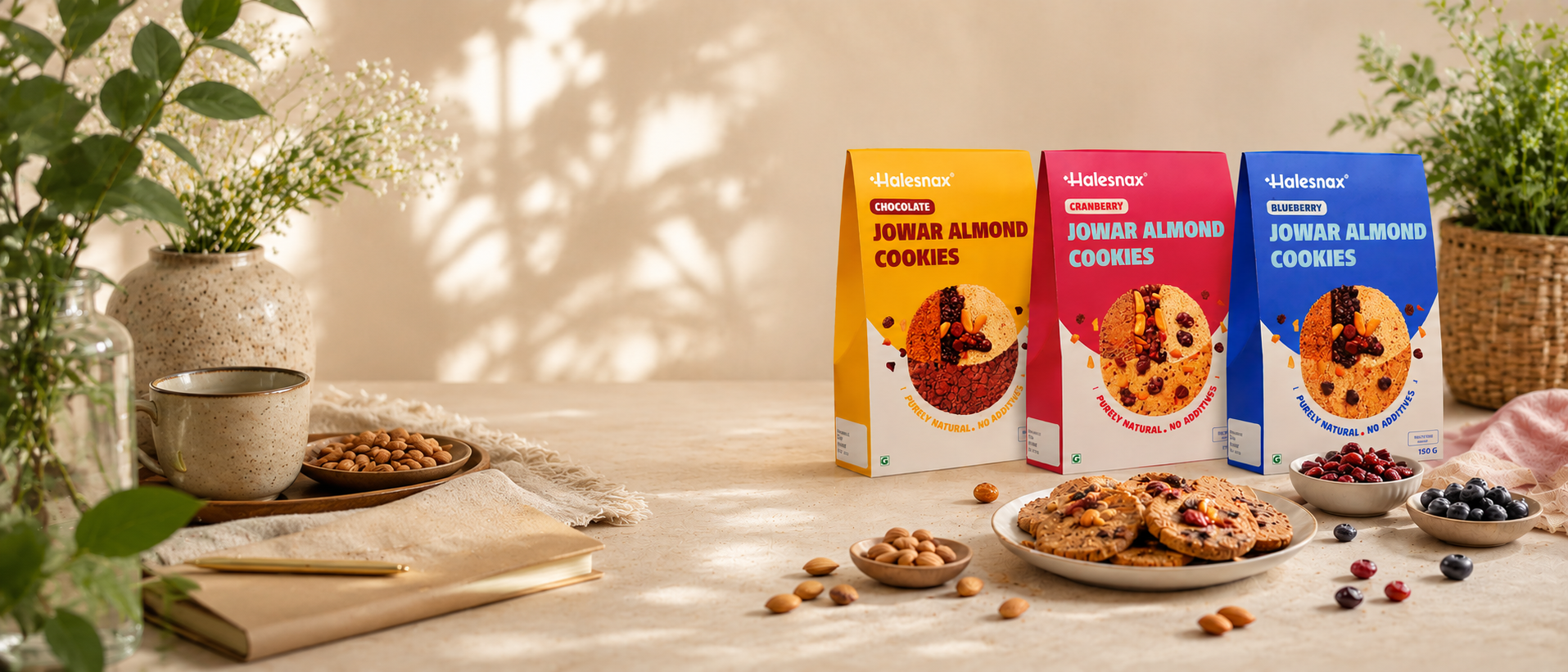
- Millet cookies (jowar or ragi): whole-grain, slow-digesting biscuits for the chai craving, far kinder than a cream biscuit.
- Baked chickpea crackers: the savoury, crunchy fix with real protein and no added sugar.
- Sprouts chaat: moong or chana sprouts with lemon and onion, high in protein and very low GI.
- Curd or Greek yogurt with seeds: protein plus probiotics, topped with pumpkin or flax seeds.
- Fruit with a protein partner: a guava or apple with a few peanuts, never juice on its own.
Seeds and the PCOD connection
Seeds earn a special mention in any PCOD conversation. Flax, pumpkin, sunflower and sesame bring fibre, healthy fats and minerals, and many women follow a seed-cycling routine that rotates them through the month. You do not need a complicated protocol to benefit, though. Simply working these seeds into daily snacks, sprinkled on curd, blended into laddoos, or eaten by the spoonful, is an easy win. Our seed laddoos and seed-cycling combo are built for exactly this, so the good fats and fibre are ready when the craving hits.
 Seed Cycling Combo: flax and pumpkin seed laddoos with sunflower and sesame seed laddoos, no refined sugar, at ₹860. See the product
Snacks to go easy on
- Sugary and 'sugar-free' maida biscuits: removing sugar does not fix refined flour, so the starch still spikes.
- Fruit juices and sweetened health drinks: fibre stripped out, sugar concentrated. Eat the fruit instead.
- Fried namkeen and chips: a refined base plus oil is a double load. Choose baked or roasted.
- Sweets made with sugar syrup: jalebi, barfi and the like belong to rare occasions, not daily snacking.
Reading labels helps here: look for whole grains first, fibre above 3 grams a serving, and no added sugar hiding as syrup or concentrate. The ICMR-National Institute of Nutrition's dietary guidelines point the same way, toward whole grains and minimally processed foods.
Timing and portions for steady energy
Long gaps between meals push blood sugar into the same spike-crash loop that PCOD already struggles with. Two planned snacks, mid-morning and evening, keep energy even. Keep snacks two to three hours after a meal, decide the portion before you start (a bowl, not the packet), and pair every carbohydrate with protein or fat. If your day includes a workout, a protein-forward snack afterwards helps recovery without a sugar spike.
One important note: this guide supports, but does not replace, medical care. PCOD varies from person to person, and medication, insulin sensitivity and individual needs differ, so build your plan with your doctor or dietitian.
A simple day of PCOD snacking
Picture an easy day. Mid-morning, a handful of roasted chana or a seed laddoo with your tea. Lunch as usual. Around 4 pm, curd topped with pumpkin seeds, or a jowar cookie with a few almonds. Evening, sprouts chaat or baked chickpea crackers before dinner. Nothing dramatic, nothing you have to white-knuckle, just steady bites that keep hormones and energy on an even keel.
PCOD asks for consistency more than perfection, and snacks are where consistency is won or lost. Keep low-GI, high-fibre bites within reach and the hard hours get easier. Browse our PCOD-friendly collection, stock up on seed and millet laddoos, or build a mixed box from our bestsellers. Healthy bites, happy you.
Family-friendly healthy snacking ideas, condition-friendly guides, and honest launches from the Halesnax kitchen.
Shop bestsellers