
Healthy Snacks for Diabetics in India: Smart Bites Between Meals
The hardest part of managing diabetes is rarely the main meals. It is 4 pm. Lunch feels far away, dinner feels further, the office chai arrives, and the biscuit tin opens. In most Indian homes and offices, that in-between window is where blood sugar plans quietly fall apart.
Here is the good news: snacking itself is not the enemy. Done right, a smart snack can actually smooth out the sugar spikes and crashes that come from going too long without eating. What matters is what you reach for. This guide covers the snack rules that help, the best diabetes-friendly options available in Indian kitchens and stores, and how Halesnax builds its millet and seed snacks around exactly these principles.
- What makes a snack diabetes-friendly
- The plate rule: fibre + protein + portion
- Seven smart snack options for Indian routines
- Millets: the quiet heroes of blood sugar
- Snacks to be careful with
- Timing your snacks through the day
- A simple week of tea-time swaps
What makes a snack diabetes-friendly
Three things decide how a snack treats your blood sugar: how fast its carbohydrates digest, how much fibre and protein slow that digestion down, and how big the portion is. Foods that digest slowly release glucose gradually, which is why dietitians talk about the glycaemic index (GI). The American Diabetes Association recommends pairing carbohydrates with protein or healthy fats, and choosing high-fibre, minimally processed options for snacks.
Translated to an Indian shelf: whole grains over refined maida, roasted over fried, nuts and seeds over sugary mixtures, and real ingredients over long labels.
The plate rule: fibre + protein + portion
Before we list foods, remember one formula. Every snack should carry some fibre (whole grains, vegetables, seeds), some protein (nuts, dals, chana, dairy), and a defined portion. A handful, not a packet. A plate, not a tin. If a snack has all three, it will rarely betray you at your next sugar reading.
Seven smart snack options for Indian routines
- Roasted chana: cheap, everywhere, and genuinely excellent: high protein, high fibre, low GI.
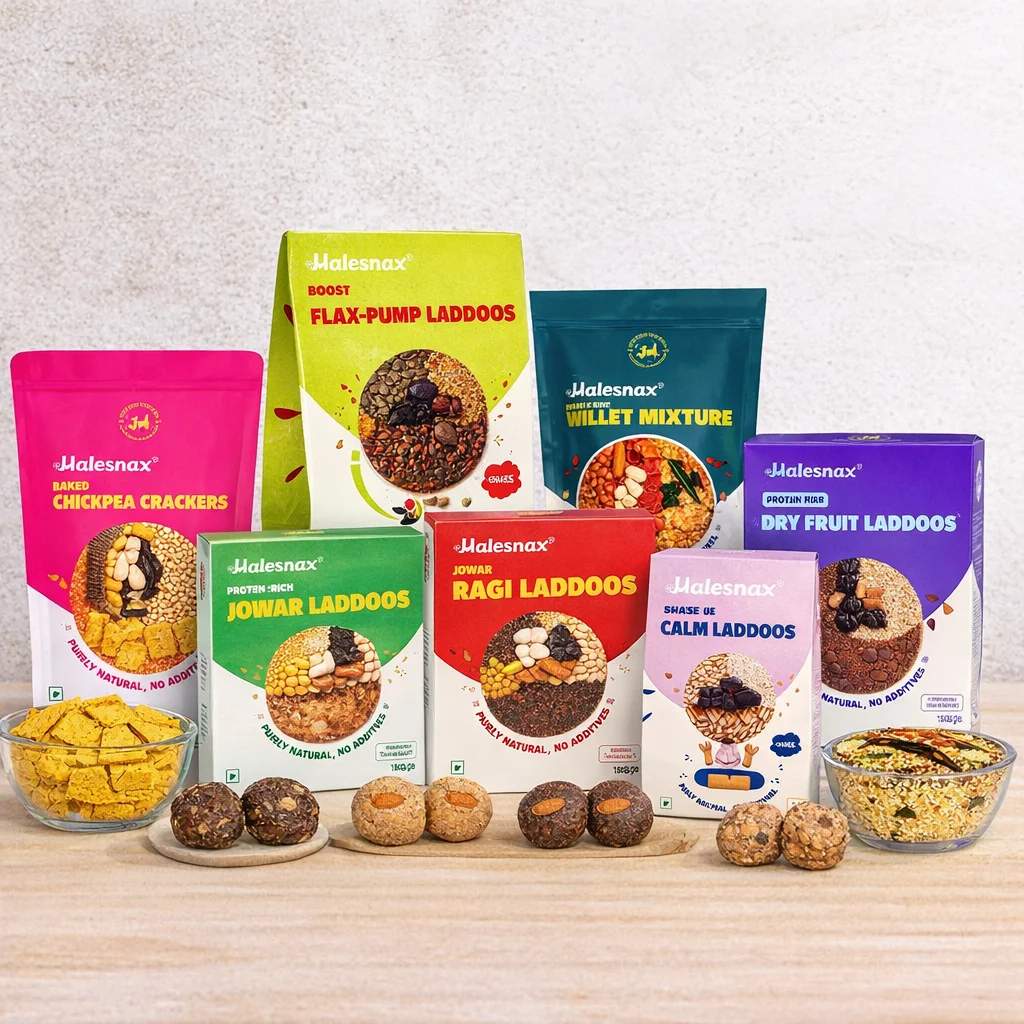
- Chickpea-based crackers: baked chickpea snacks give you namkeen satisfaction with far better numbers than fried mixture. Our chickpea crackers are baked, high-protein, and made with no added sugar.
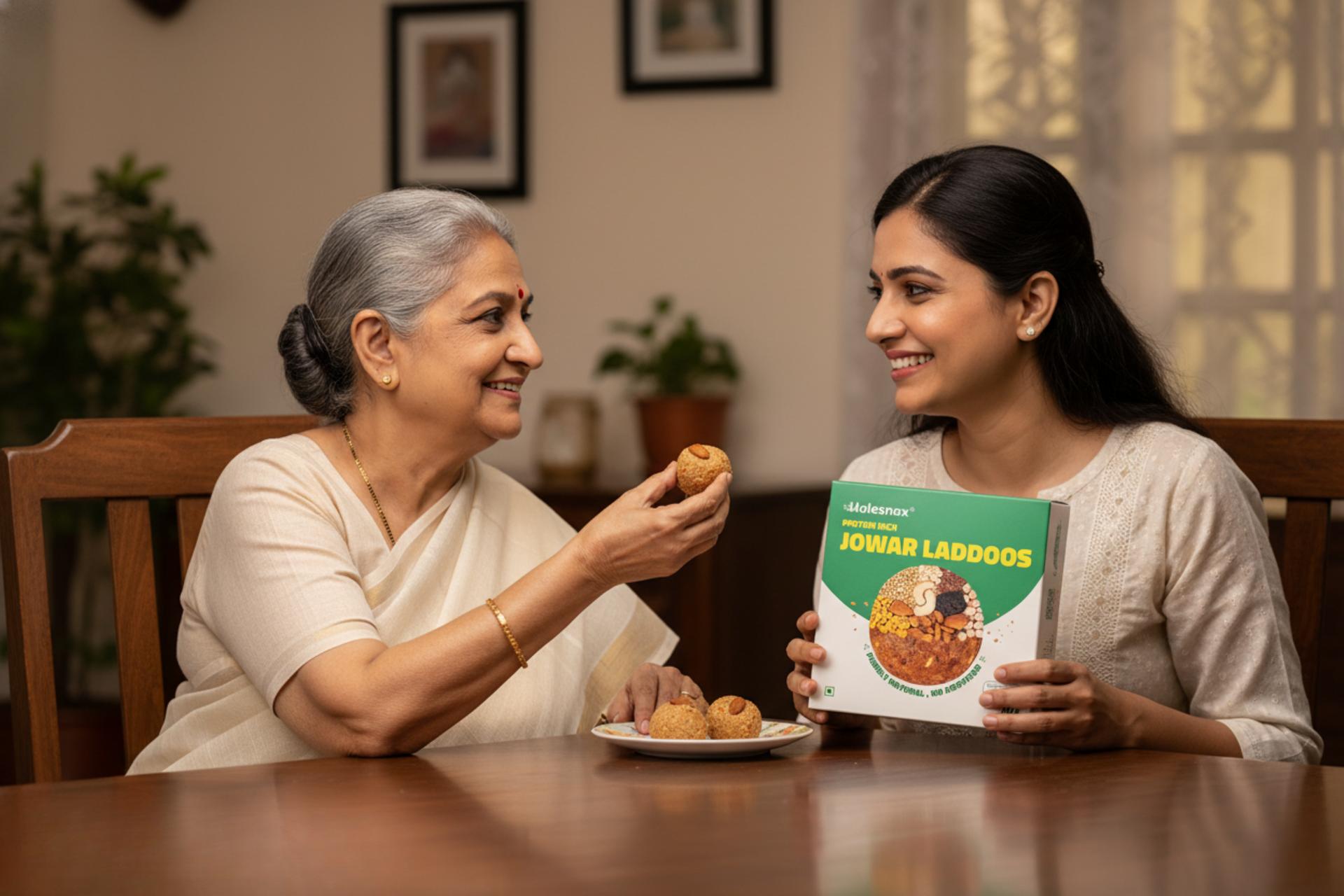
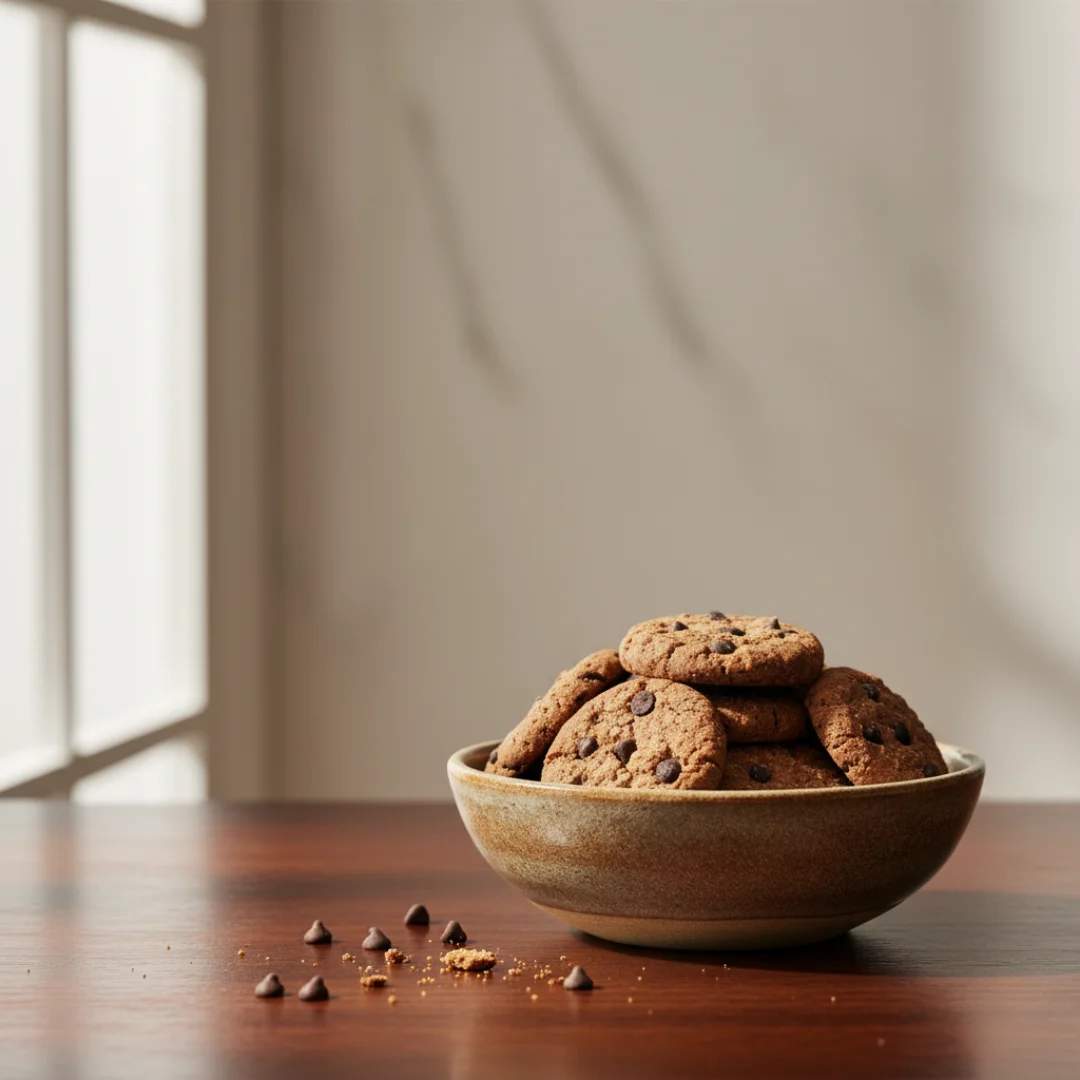
- Millet cookies (jowar or ragi): when the chai craving demands a biscuit, a jowar cookie sweetened lightly and built on whole millet flour is the smarter dunk.
- Nuts and seeds: a small handful of almonds, walnuts, or mixed seeds steadies hunger for hours.
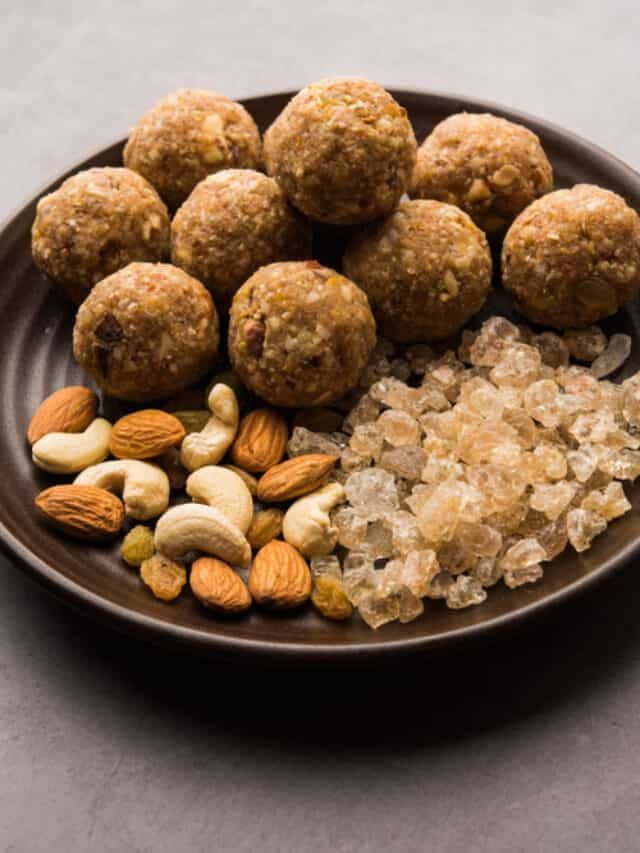
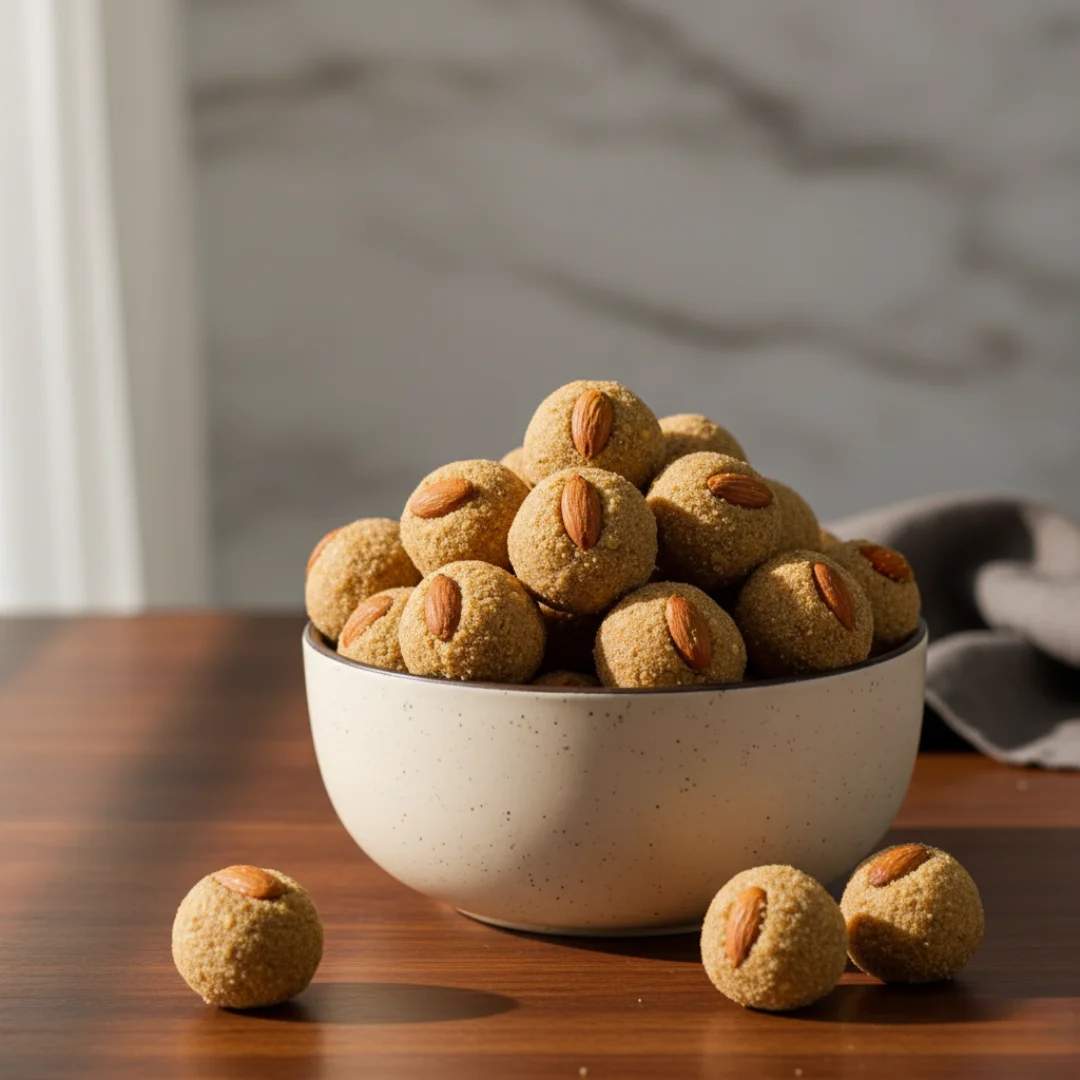
- Seed laddoos: flax, pumpkin, sunflower, and sesame laddoos pack fibre, protein, and good fats into one portion-controlled bite.
- Buttermilk or plain curd: protein plus probiotics, and it fills the gap without sugar.
- Fruit with a protein partner: a guava or apple with a few peanuts beats fruit juice every single time.
Millets: the quiet heroes of blood sugar
Jowar and ragi are not trendy imports; they are grains our grandparents ate daily, and research keeps validating them. Millets are naturally rich in fibre and digest more slowly than wheat or rice. The ICMR-National Institute of Nutrition's dietary guidelines for Indians encourage whole grains and millets as part of everyday cereal intake, and slower-digesting grains mean gentler glucose curves.
That is why Halesnax cookies start with jowar instead of maida, and why our laddoos lean on ragi, seeds, and dry fruits instead of refined sugar syrups. Same chai-time ritual, better arithmetic.
 Chickpea Crackers: baked, protein-rich, no added sugar, at ₹100 a pack. See the product
Snacks to be careful with (including 'sugar-free' traps)
- 'Sugar-free' biscuits made with maida: removing sugar does not fix refined flour. The starch still spikes.
- Fruit juices and health drinks: even fresh juice strips away fibre and concentrates sugar. Eat the fruit instead.
- Fried namkeen and chivda: the oil plus refined base is a double load. Choose baked or roasted versions.
- Khakhra and bhujia in 'just one more' quantities: fine foods, dangerous portions. Pre-portion them into small bowls.
Reading labels helps more than any single rule: look for whole grains in the first ingredient, fibre above 3 grams per serving, and no added sugar hiding as jaggery syrup, maltodextrin, or fruit concentrate.
Timing your snacks through the day
Long gaps between meals push many people with diabetes into a spike-crash-overeat loop. Two planned snacks, mid-morning and evening, keep the curve gentle. Keep snacks two to three hours after a main meal, keep evening snacks light so dinner appetite stays honest, and never snack straight from the packet. If you use a glucometer, test how your favourite snack treats you at the one-hour and two-hour marks; your own data beats any list.
One important note: this guide supports, but never replaces, your doctor's or dietitian's advice. Medication, insulin timing, and individual responses vary, so confirm your snacking plan with your care team.
A simple week of tea-time swaps
Try this for one week: Monday, roasted chana instead of biscuits. Tuesday, a jowar chocolate cookie instead of a cream biscuit. Wednesday, buttermilk and a handful of seeds. Thursday, chickpea crackers instead of fried mixture. Friday, fruit with peanuts. Saturday, a seed laddoo with evening chai. Sunday, your choice, portioned onto a plate. Small swaps, kept up quietly, move sugar readings more than dramatic diets that last four days.
Snacking that loves you back
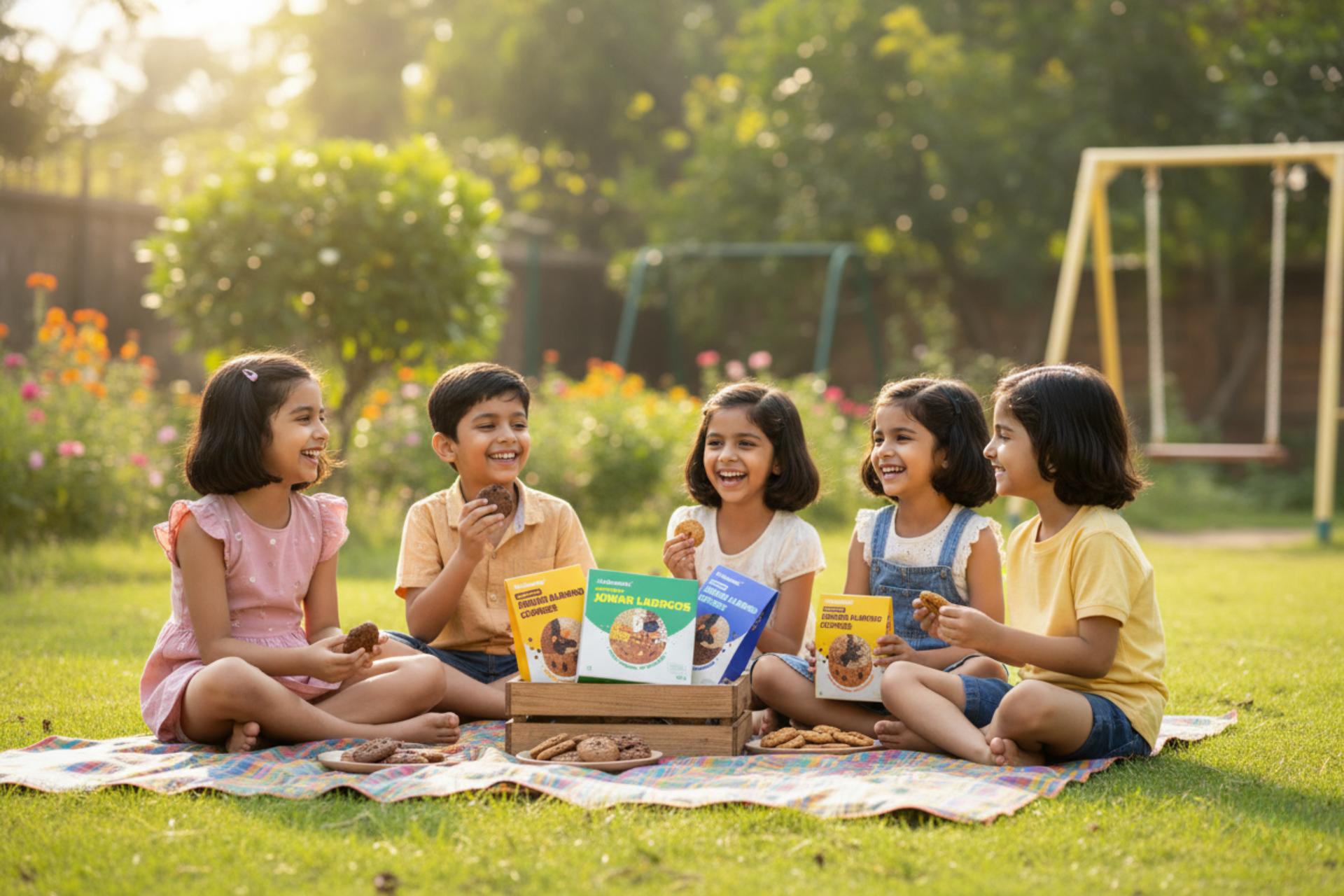
Halesnax exists for exactly this moment: real ingredients, no preservatives, high fibre and protein, and honest portions that let the whole family, diabetic or not, share the same snack box. Start with our bestsellers, or build your own diabetes-friendly stash from the combos collection. Healthy bites, happy you.
Family-friendly healthy snacking ideas, condition-friendly guides, and honest launches from the Halesnax kitchen.
Shop bestsellers