High-Protein Indian Snacks: Vegetarian Bites That Actually Keep You Full
Between lunch and dinner, most of us reach for whatever is closest: a couple of biscuits, a fistful of namkeen, maybe leftover mithai. It fills the gap for twenty minutes, then hunger is back and so is the reaching. The missing ingredient is almost always protein, the one thing that actually tells your body it has eaten enough.
Vegetarian eating in India is rich in flavour but often light on protein at snack time, which is why the 4 pm slump feels so familiar. The good news is that some of the most traditional Indian snacks, roasted chana, seed laddoos, sprouts and paneer, are quietly protein-packed. This guide walks through the high-protein Indian snacks worth keeping close, how much protein you actually need, and how Halesnax builds its bites around the same idea.
- Why protein is the snack upgrade you are missing
- How much protein do you actually need
- What makes a snack genuinely high in protein
- Ten high-protein Indian snacks that keep you full
- Roasted chana, the everyday protein hero
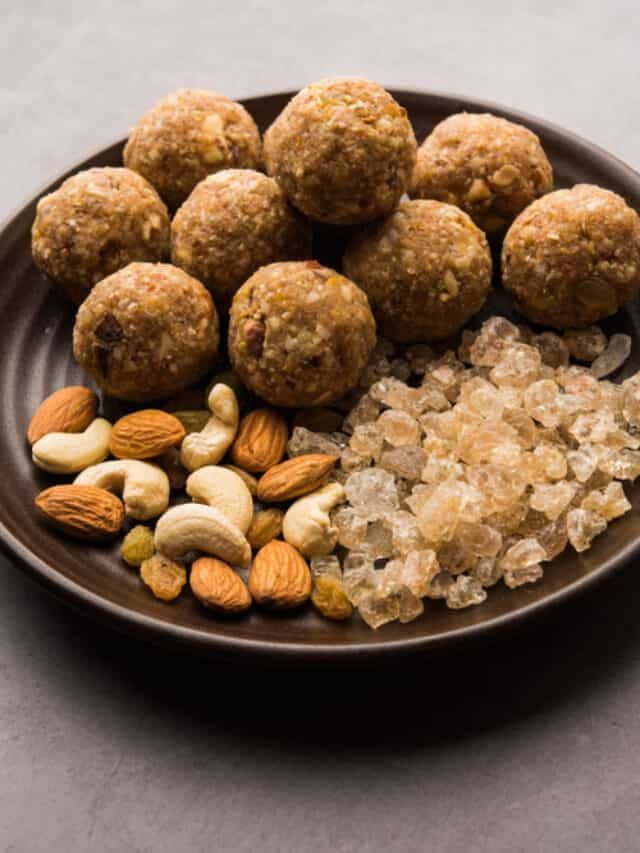
- Seed and nut laddoos for protein on the go
- Snacks that look healthy but skimp on protein
- Building a high-protein snack habit
Why protein is the snack upgrade you are missing
Protein is the most filling of the three macronutrients. It slows digestion, steadies blood sugar and keeps the fullness signals working longer, so a protein-forward snack holds you for hours instead of minutes. That is the real reason a handful of roasted chana beats the same calories of biscuits: it answers hunger instead of feeding it. Protein also supports muscle, which matters whether you are chasing a fitness goal or simply trying to stay strong and active as the years add up.
How much protein do you actually need
The ICMR-National Institute of Nutrition suggests roughly 0.8 to 1 gram of protein per kilogram of body weight each day for most healthy adults, which works out to around 45 to 60 grams for many people. Most vegetarians hit their carbohydrate target easily and fall short on protein, especially between meals. Snacks are the easiest place to close that gap. Two well-chosen protein snacks a day can add 15 to 25 grams without any extra cooking. The ICMR-NIN dietary guidelines put pulses, legumes, nuts and seeds at the centre of a balanced Indian plate, and those are exactly the foods that make snacking work harder.
What makes a snack genuinely high in protein
A snack earns the high-protein label when it delivers a meaningful dose, think 5 grams or more per serving, from a real food source rather than a sugary bar wearing a protein sticker. Look for pulses and legumes (chana, moong, chickpea), seeds (pumpkin, sunflower, flax), nuts, paneer and curd. Just as important is what is not there: no refined maida base, no palm oil, no long list of syrups. A good rule is to read the first three ingredients. If a legume, seed or nut leads the label, you are on the right track.
Ten high-protein Indian snacks that keep you full
- Roasted chana: the classic, high in protein and fibre and endlessly snackable.
- Chickpea crackers: baked and savoury, built on chickpea flour for real protein without the fry.
- Sprouts chaat: moong or chana sprouts with lemon and onion, one of the highest-protein snacks going.
- Seed laddoos (flax, pumpkin, sunflower, sesame): protein and good fats in one portion-controlled bite.
- Paneer cubes or tikka: a few cubes with chaat masala is a quick, satisfying protein hit.
- A handful of nuts: almonds, peanuts and walnuts bring protein plus healthy fat.
- Curd or Greek yogurt with seeds: protein and probiotics, topped with pumpkin or flax.
- Roasted makhana: light and crunchy, better still tossed with a few nuts for more protein.
- Besan chilla bites: a mini gram-flour pancake rolled and sliced, savoury and protein-rich.
- Peanut or chana dry-fruit laddoos: a sweeter fix that still carries real protein.
Roasted chana, the everyday protein hero
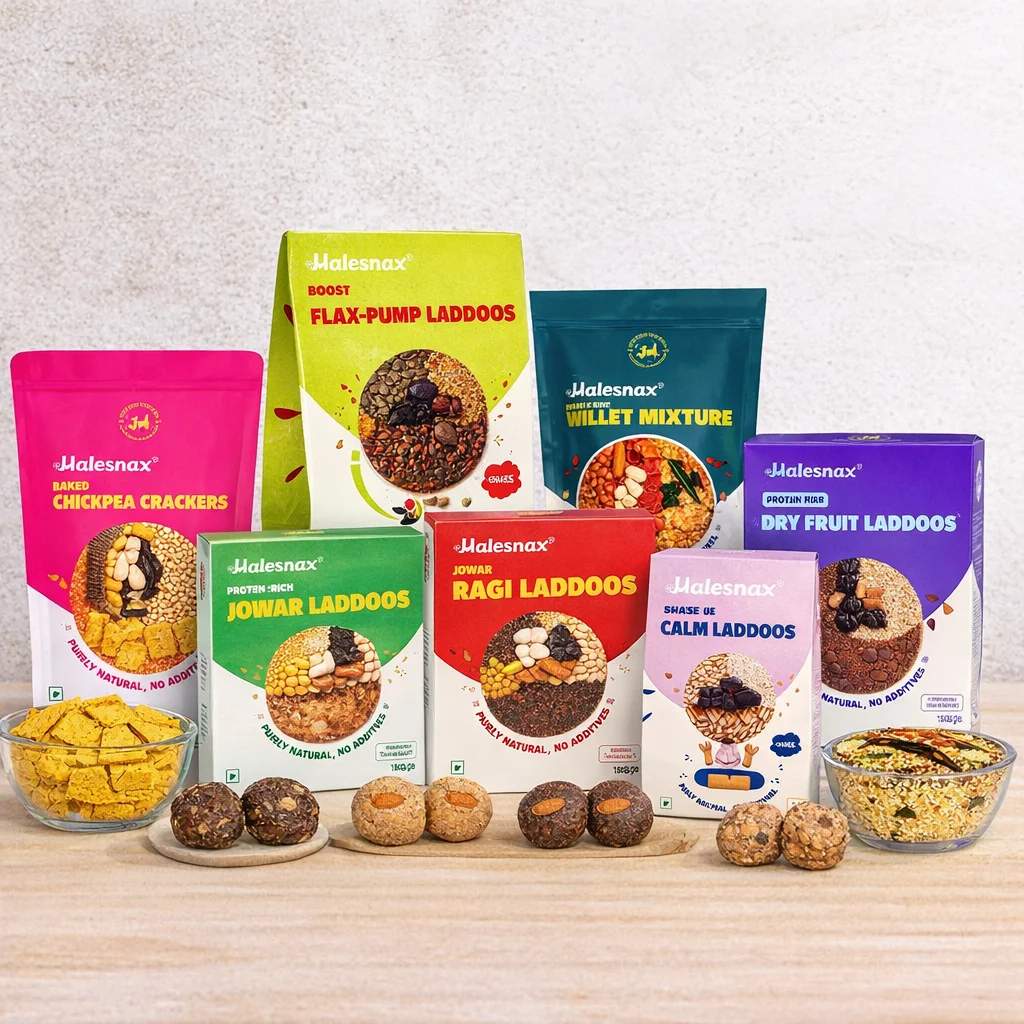
If you keep only one high-protein snack in the house, make it chana. Roasted Bengal gram delivers a generous dose of plant protein and fibre for very few calories, needs no cooking, and travels anywhere. It is the reason chickpeas show up across Indian snacking, from the humble roasted handful to baked chickpea crackers. Our chickpea crackers take that same protein-rich base and bake it into a savoury crunch with no added sugar and no palm oil, so the salty craving gets a snack that actually gives something back.
 5 Chickpea Crackers Combo: baked, protein-rich and savoury, with no added sugar, at ₹450. See the product
Seed and nut laddoos for protein on the go
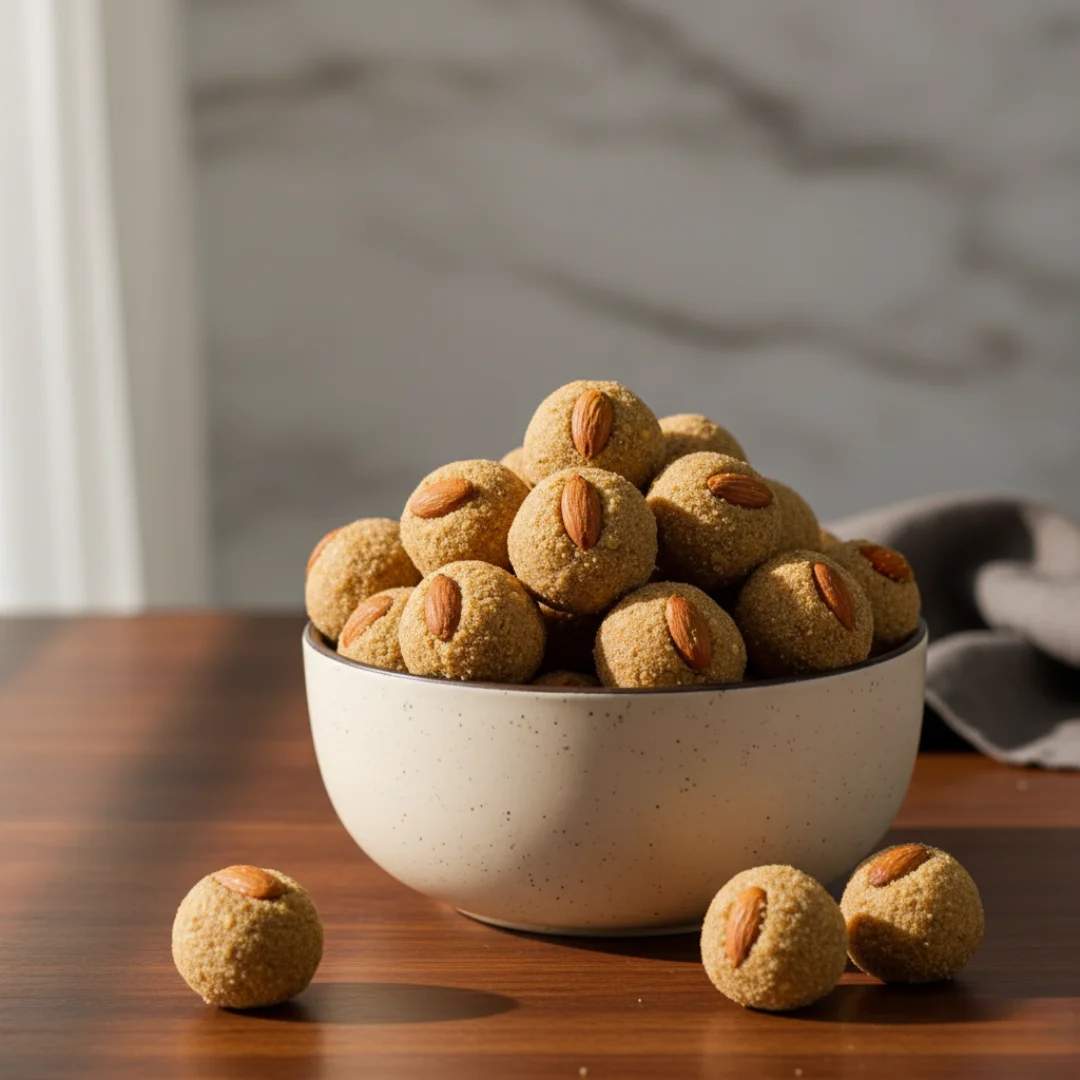
Laddoos have a reputation as pure indulgence, but that depends entirely on what goes into them. Built on seeds, nuts and millets instead of sugar syrup, a laddoo becomes a genuine protein snack you can carry in a bag or a tiffin. Flax, pumpkin and sunflower seeds bring protein and good fats, while nuts add both, so one laddoo does the job of steadying hunger between meals. Keep a few in the cupboard and the evening craving has an answer that does not derail your day.
Snacks that look healthy but skimp on protein
Not everything marketed as healthy earns its place at snack time. A few common ones to watch:
- Baked chips and multigrain crackers: still mostly refined starch, with barely any protein.
- Fruit and 'health' bars sweetened with syrup: sugar dressed up as wellness, low on protein.
- Plain fruit on its own: good for you, but pair it with nuts or curd so the snack actually holds you.
- Sabudana and plain poha: comforting, yet almost all carbohydrate unless you add peanuts or curd.
The fix is rarely to cut these out completely, just to pair or swap so protein comes along for the ride.
Building a high-protein snack habit
Turning this into a routine is simpler than it sounds. Stock two or three protein snacks you genuinely enjoy so the easy choice is also the good one. Aim for a protein-forward bite mid-morning and again in the evening, roughly two to three hours after a meal, and decide the portion before you start. If you train, a protein snack afterwards supports recovery. If you manage a medical condition or watch your protein for kidney reasons, set your targets with your doctor. None of this needs a food scale or a strict plan, just a cupboard that makes the right snack the closest one.
Protein is the quiet upgrade that turns snacking from a gap-filler into something that works for you. Keep roasted chana, seed and nut laddoos and baked chickpea crackers within reach, and the afternoon slump loses its grip. Browse our protein-rich range, stock up on seed and nut laddoos, or build a mixed box from our combos and bestsellers. Healthy bites, happy you.
Family-friendly healthy snacking ideas, protein-forward guides, and honest launches from the Halesnax kitchen.
Shop bestsellers